




Frowse Insights
Practical buying insight that explains how products work, what specifications really mean and what matters when choosing.
Showing 1–20 of 129 Insights

How Self-Watering Planters Move Water from Reservoir to Soil
A self-watering planter does not actively pump water into its soil. Instead, it stores water below or beside the growing area and relies on a capillary connection to…
Read insight →
Why Baking Trays Warp in the Oven and Sometimes Flatten Again
A baking tray can look perfectly flat when it enters the oven, then suddenly bow, twist or make a sharp popping sound as it heats. In some cases,…
Read insight →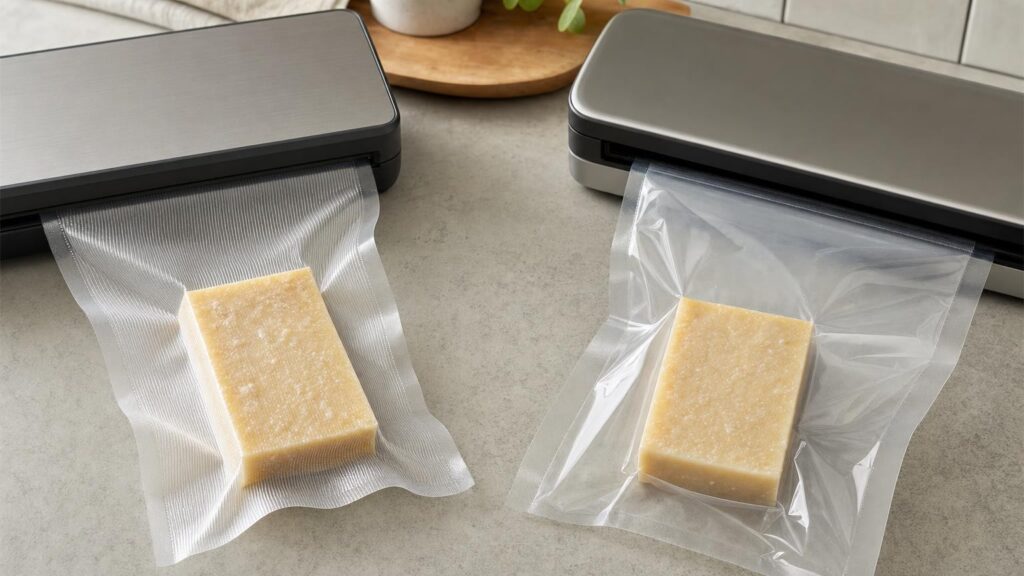
Why Vacuum-Sealer Bags Are Textured – and Why Smooth Bags Often Do Not Work
A vacuum-sealer bag is not simply a plastic wrapper. It is a working part of the sealing system, and its surface determines whether air can travel from around…
Read insight →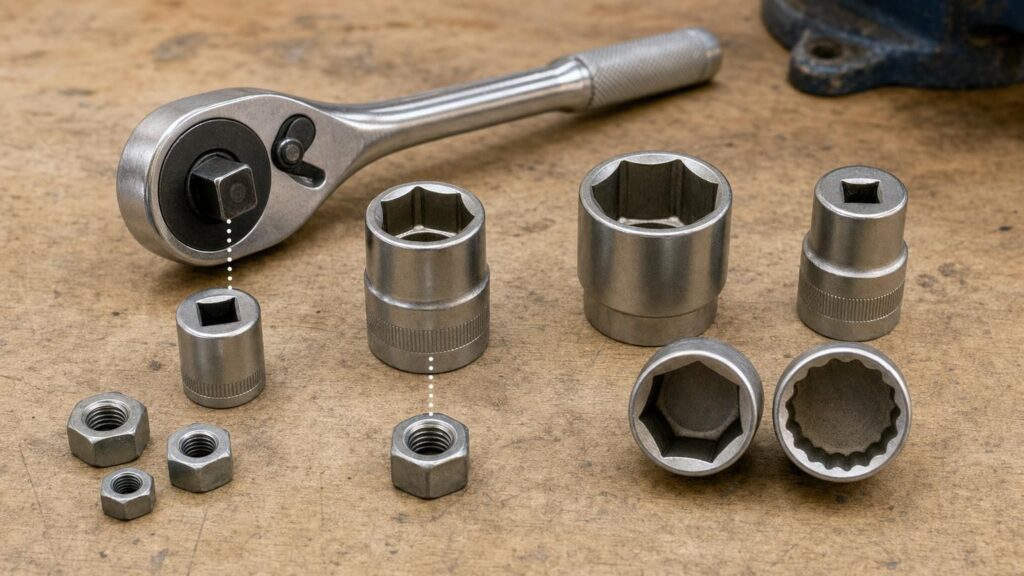
Drive Size, Socket Size and Point Count: Understanding Socket Compatibility
A socket has to make two physical connections and provide the right type of engagement for the job. Its square drive must fit the ratchet, breaker bar or…
Read insight →
What “Solid Top” Really Means on an Acoustic Guitar
“Solid top” is one of the most prominent phrases used to describe an acoustic guitar, but it is also easy to misunderstand. It identifies how the soundboard is…
Read insight →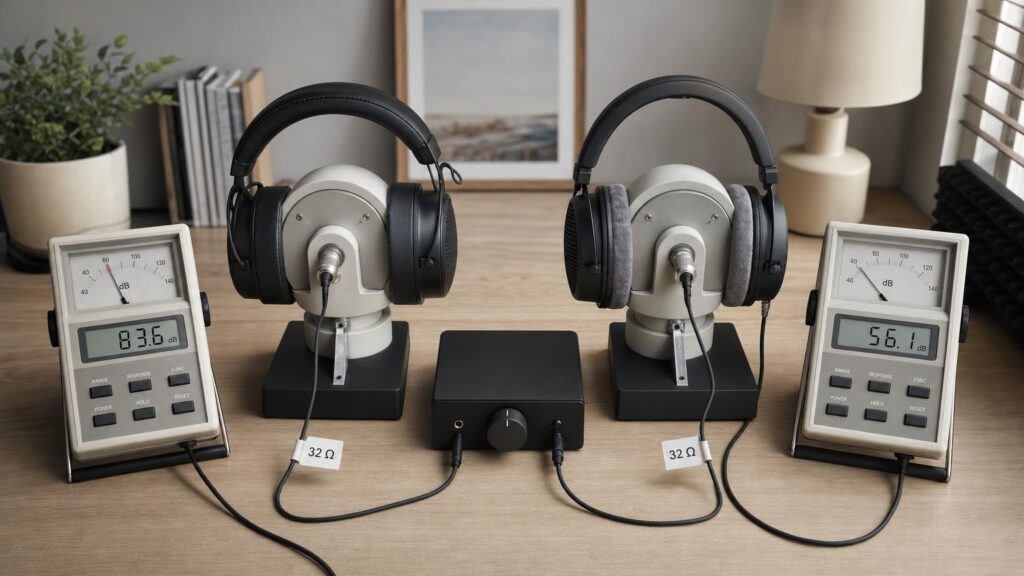
Why Headphone Impedance Alone Does Not Tell You How Hard They Are to Drive
An impedance figure is often treated as a shortcut for judging whether wired headphones need a powerful source. Low-impedance headphones are assumed to be easy to drive, while…
Read insight →
Why a Universal Remote May Not Replace Every Original Remote Function
A universal remote can be a convenient replacement for a lost or damaged television handset, but the word universal can create misleading expectations. It usually means that the…
Read insight →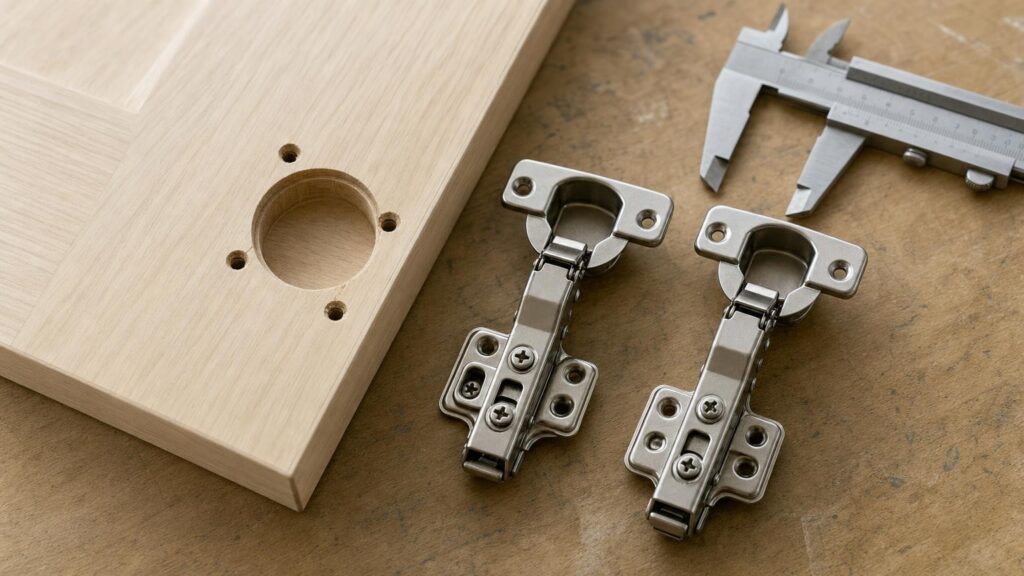
Why Identical-Looking Concealed Cabinet Hinges May Not Be Interchangeable
Concealed cabinet hinges often look remarkably similar. A round cup sits in the back of the door, a jointed arm connects it to the cabinet, and a mounting…
Read insight →
Why Hand-Blender Wattage Does Not Predict Blending Performance
A hand blender with a larger wattage figure can look like the obvious choice. It sounds more powerful, so it should blend faster, produce smoother results and cope…
Read insight →
Why a Turntable Cannot Always Plug Straight Into Speakers
A turntable and a pair of speakers may appear easy to connect: find matching sockets, add a cable and play a record. In practice, the connectors are only…
Read insight →
Why Candles Tunnel and What “Wax Memory” Really Means
A container candle can look simple, but its burn depends on a carefully balanced system. The wick must draw liquid wax at a suitable rate, the flame must…
Read insight →
How Fabric Softener Affects Absorbency, Static and Fabric Feel
Fabric softener can make freshly washed laundry feel smoother, smell more fragrant and cling less when it comes out of the dryer. Those benefits come with a trade-off:…
Read insight →
Why Scissors Stop Cutting Even When the Blades Still Feel Sharp
A pair of scissors can have edges that feel keen to the touch and still fold fabric, snag paper or trap plastic between the blades. That is because…
Read insight →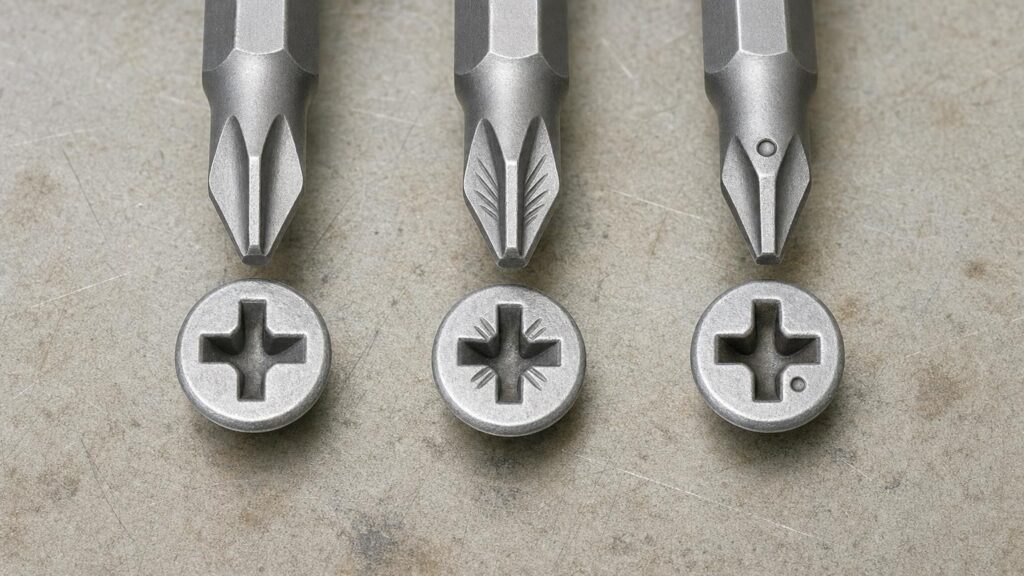
Phillips, Pozidriv and JIS: Why Cross-Head Drivers Are Not Interchangeable
Phillips, Pozidriv and JIS-style fasteners can all look like ordinary cross-head screws. That superficial resemblance makes it tempting to use whichever screwdriver or bit enters the recess. However,…
Read insight →
How to Choose a Portable Power Station for Home Backup
A portable power station can keep selected devices running during a power cut, but it is not usually a substitute for whole-home electricity. Its stored energy and output…
Read insight →
Why Matt, Eggshell, Satin and Gloss Paint Labels Are Not Universal
The same sheen name can mean a different finishMatt, eggshell, satin and gloss sound like straightforward steps on a single scale. In practice, they are broad descriptive categories…
Read insight →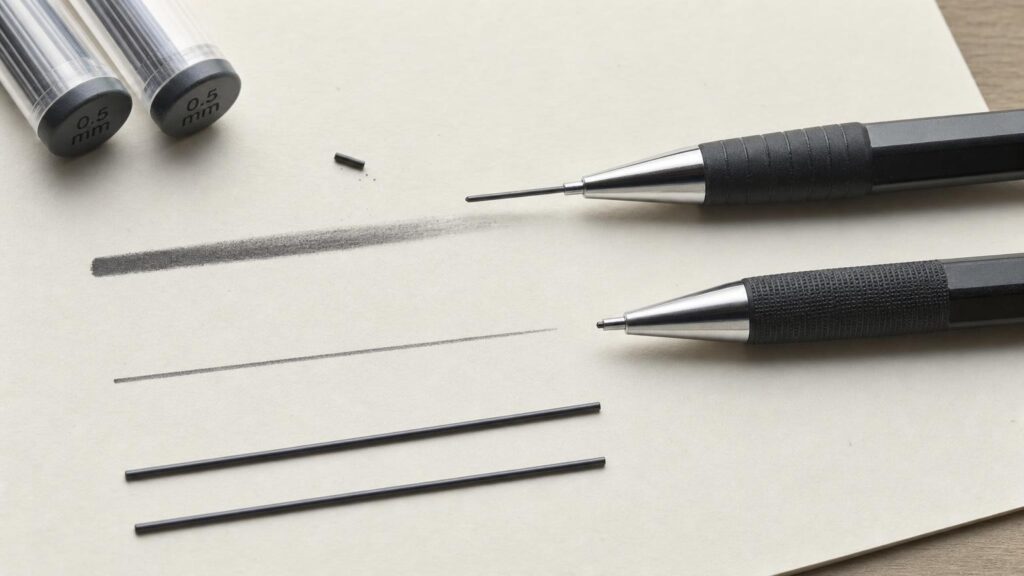
Why Mechanical Pencil Leads of the Same Diameter Perform Differently
A diameter marking such as 0.5 mm or 0.7 mm is the first compatibility check when buying mechanical pencil refills, but it does not describe the whole writing…
Read insight →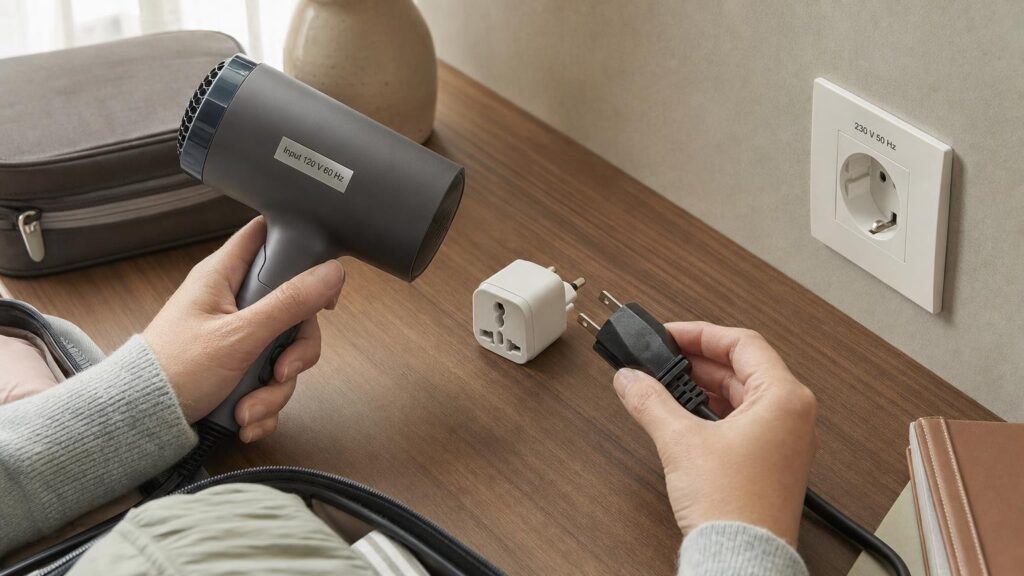
A Travel Plug Adapter Does Not Convert Voltage: What to Check Before You Travel
A travel plug adapter, a voltage converter and a USB charger perform different electrical jobs. Although one travel accessory may combine several functions, having one does not automatically…
Read insight →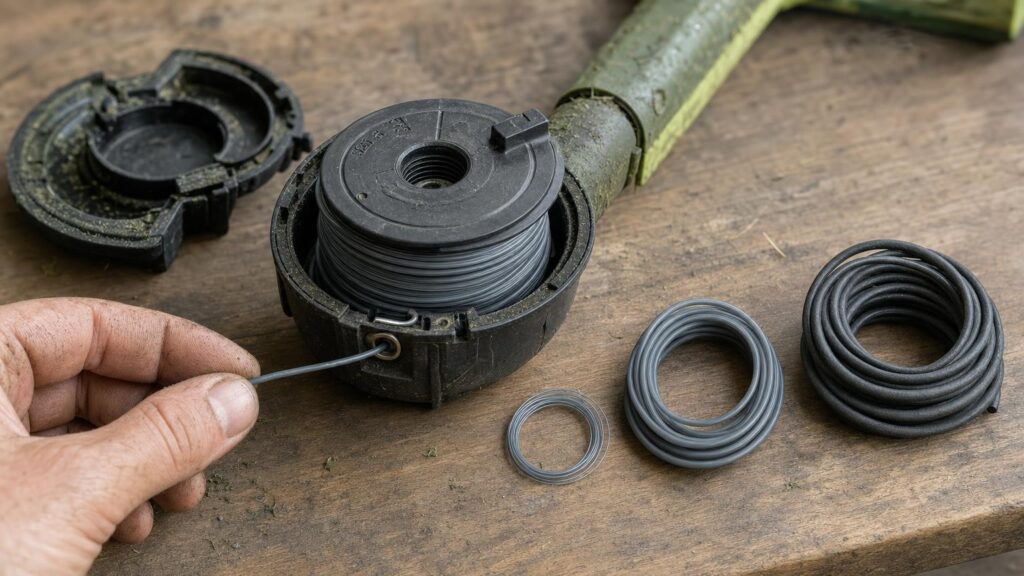
Why Thicker String-Trimmer Line Is Not Always Better
It is easy to assume that thicker string-trimmer line must cut better and last longer. Extra diameter can improve resistance to wear and breakage in some conditions, but…
Read insight →
Why Floating Floors Need Expansion Gaps – and What Happens When They Cannot Move
An expansion gap is not an unfinished edge or an optional precaution. It is part of the way a floating floor works. Laminate, engineered wood and rigid vinyl…
Read insight →