





Frowse Insights
Practical buying insight that explains how products work, what specifications really mean and what matters when choosing.
Showing 41–60 of 129 Insights
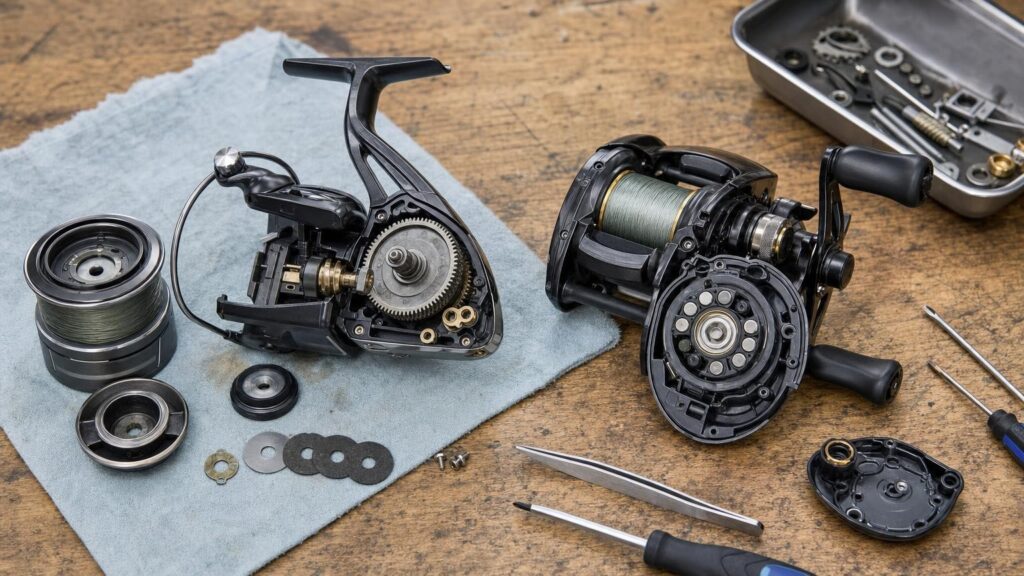
Inside a Fishing Reel: What Drag, Gear Ratio and Spool Design Actually Change
A fishing reel does more than hold line. Its internal mechanism determines how line leaves the spool during a cast, how quickly it returns, how resistance is applied…
Read insight →
What Makes a Paintbrush Hold Paint, Cut Cleanly and Keep Its Shape?
Two paintbrushes of the same width can behave very differently. One may carry a useful amount of paint, release it evenly and form a controlled edge. Another may…
Read insight →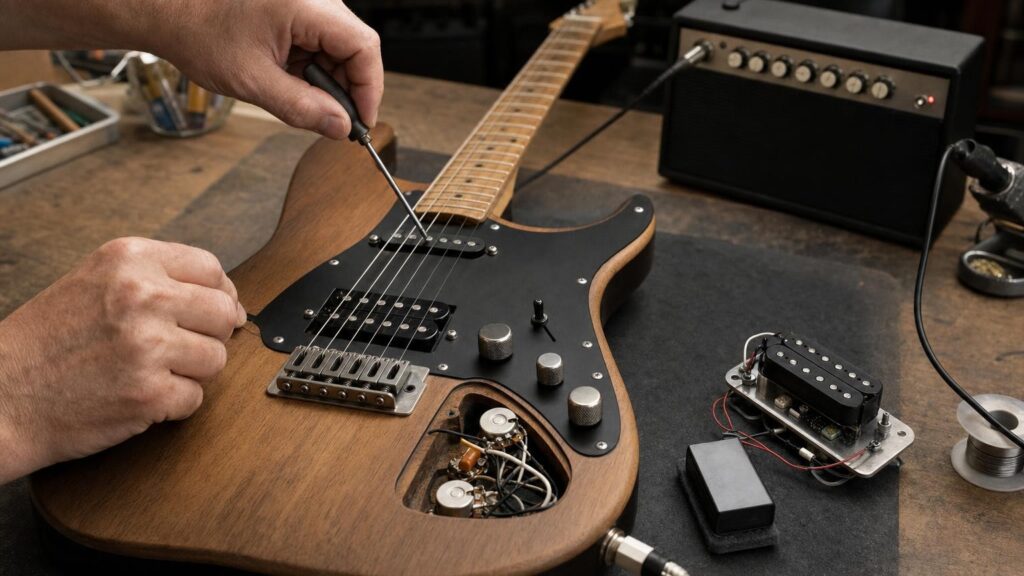
Single-Coil, Humbucker and Active Pickups: How the Hardware Shapes the Signal
Pickup labels are useful starting points, but they are not complete descriptions of sound. A single-coil, humbucker or active pickup is part of a signal system involving the…
Read insight →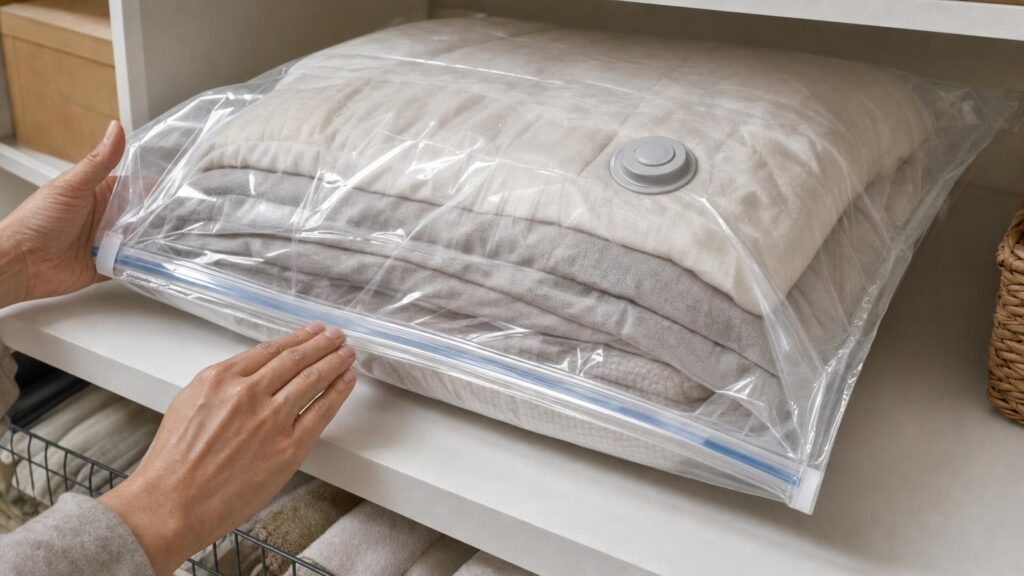
Why Vacuum Storage Bags Slowly Reinflate – and What to Check Before Buying
A vacuum storage bag may appear tightly compressed after the air is removed, then gradually become softer or puffier over time. That does not always mean the bag…
Read insight →
Where a Vacuum Flask Actually Loses Heat
A vacuum flask is often described as though the vacuum does all the work. In reality, insulation depends on a connected system: the inner and outer walls, the…
Read insight →
Clumping Clay, Silica and Plant Fibre: How Cat-Litter Materials Behave Differently
Cat-litter materials do not all manage liquid and odour in the same way. Clumping clay binds wet particles into a removable mass, silica stores moisture within porous granules,…
Read insight →
Forged, Stamped and Socketed: What Makes a Garden Spade Last
A durable garden spade is not simply one with a thick, heavy blade. Every push, lift and twist sends force through the blade, socket, shaft and handle. If…
Read insight →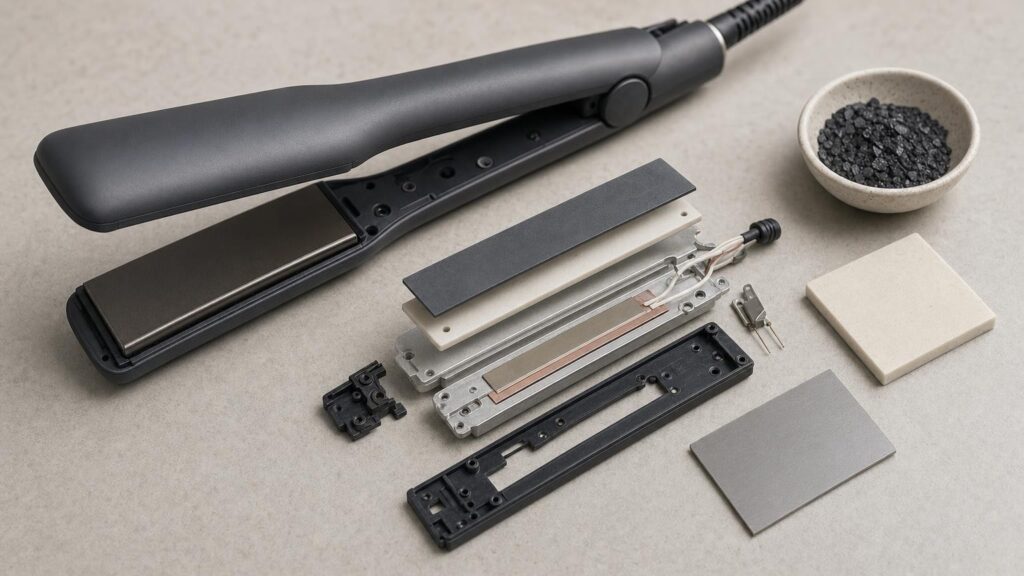
What Ceramic, Titanium and Tourmaline Really Mean on Hair Straighteners
Look beyond the material on the boxCeramic, titanium and tourmaline are among the most prominent labels used to describe hair straighteners. They can sound like three clearly defined…
Read insight →
Porcelain, Stoneware and Earthenware: What the Names Really Mean
Porcelain, stoneware and earthenware are familiar dinnerware labels, but they do not form a simple ladder from basic to superior. Each name describes a general type of ceramic…
Read insight →
Why a Tent’s Waterproof Rating Is Only Part of Its Rain Protection
A waterproof number cannot describe the whole tentA tent’s waterproof rating is useful, but it does not tell you whether the complete shelter will keep rain away from…
Read insight →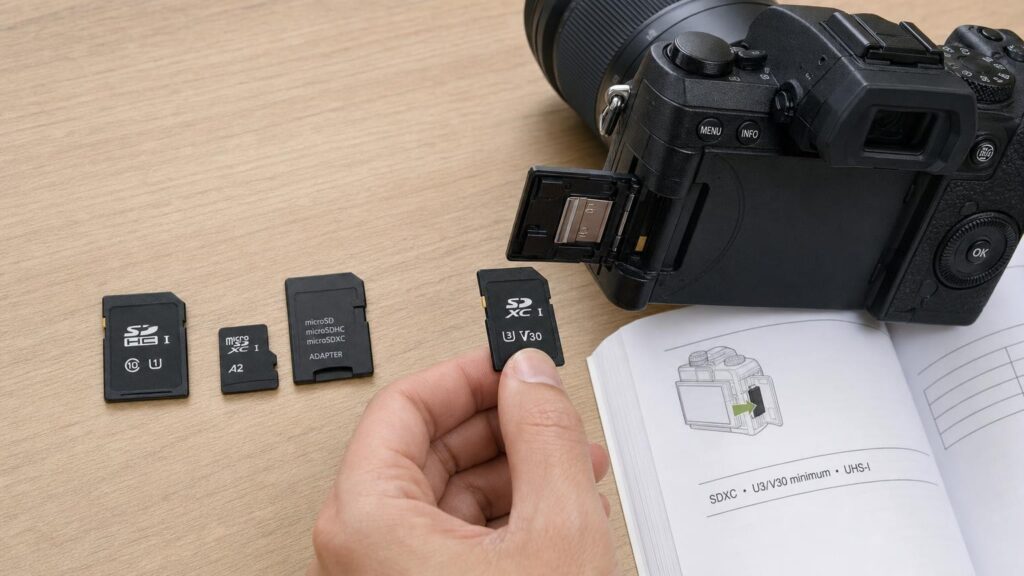
Speed Class, UHS and V-Rating: How to Read an SD Card
An SD card can carry several numbers and symbols at once: a capacity, a prominent transfer speed, a circled Class number, U1 or U3, a V-rating, an A-rating…
Read insight →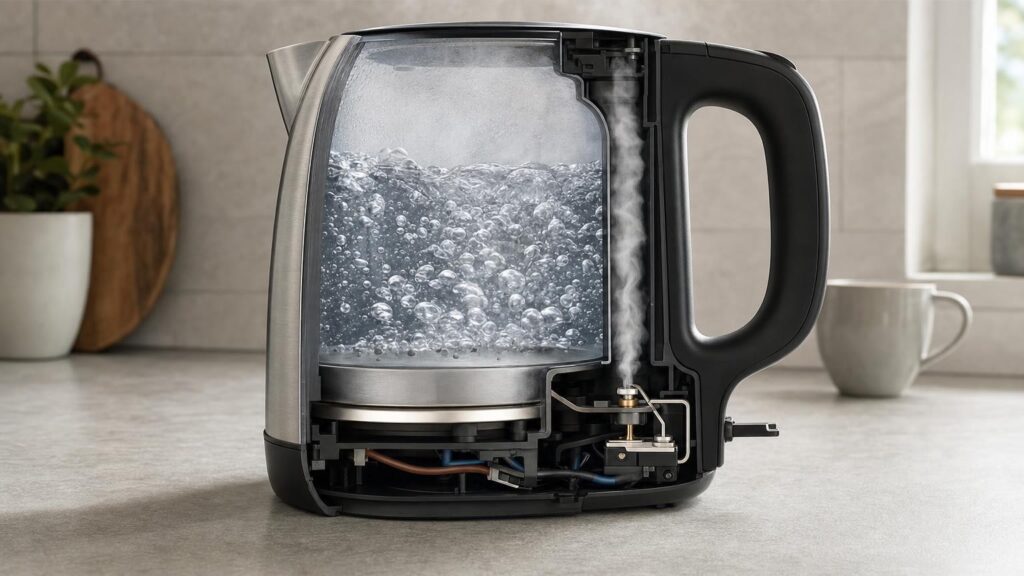
How an Electric Kettle Knows When the Water Has Boiled
An automatic electric kettle appears to make a precise decision: the water boils, the switch clicks and the power turns off. In most basic kettles, however, there is…
Read insight →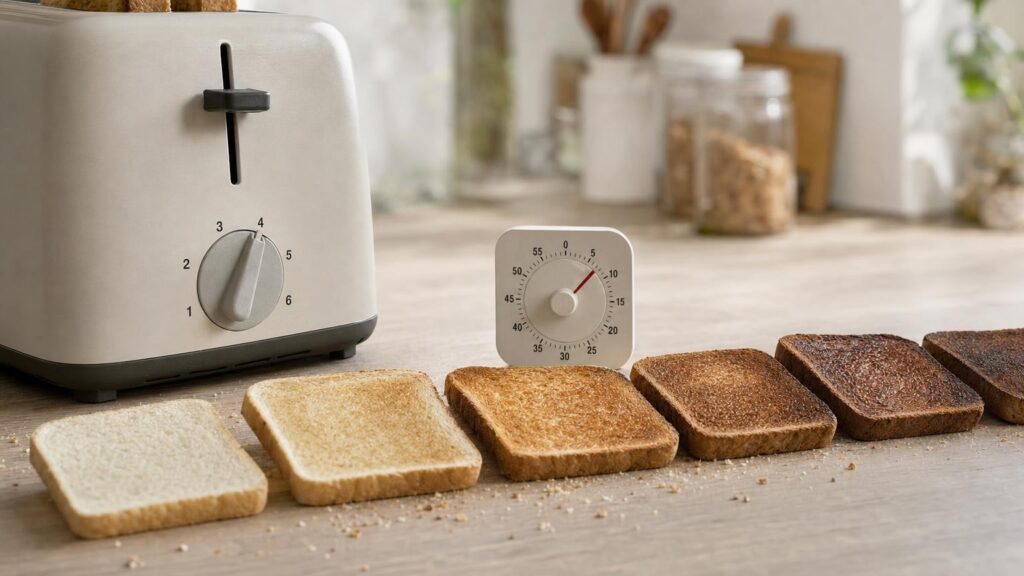
Why the Number on a Toaster Dial Usually Is Not Minutes
A toaster dial marked from 1 to 6 can look like a simple timer, but on most pop-up toasters those numbers are better understood as relative browning settings.…
Read insight →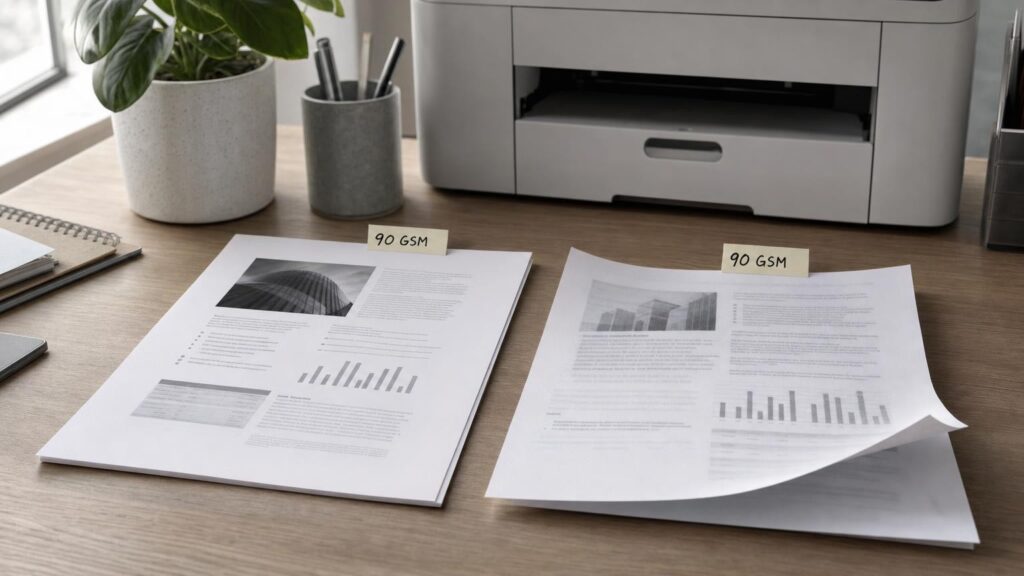
Why Paper Weight Alone Cannot Tell You How Printer Paper Will Perform
Paper weight is often the first specification shoppers notice. A pack labelled 80 GSM, 90 GSM or 120 GSM appears to offer a simple scale: the higher the…
Read insight →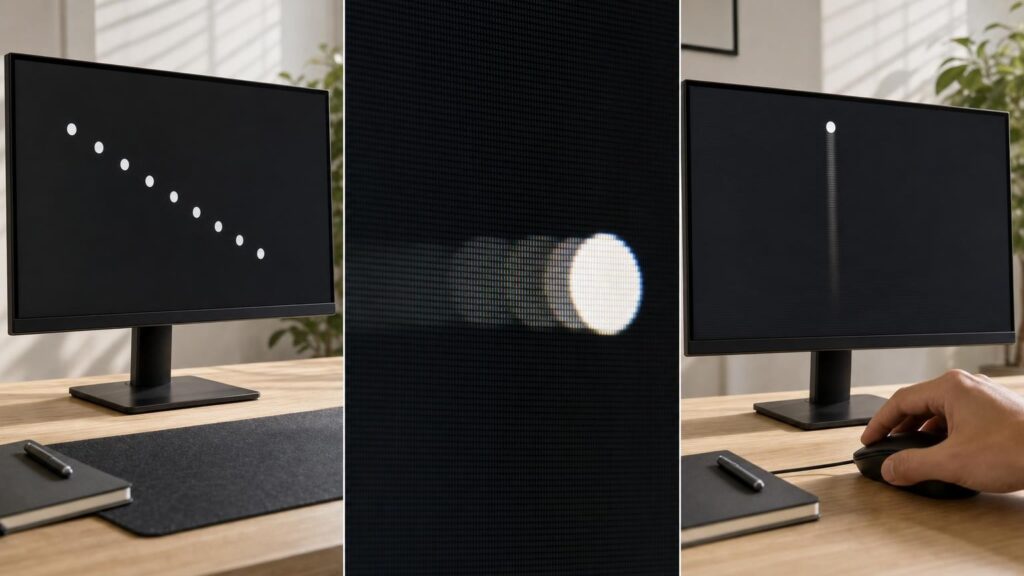
Refresh Rate, Response Time and Input Lag: What Each Monitor Specification Means
Monitor specifications often compress motion performance into a few attention-grabbing numbers. Refresh rate, response time and input lag may all sound like measures of speed, but they describe…
Read insight →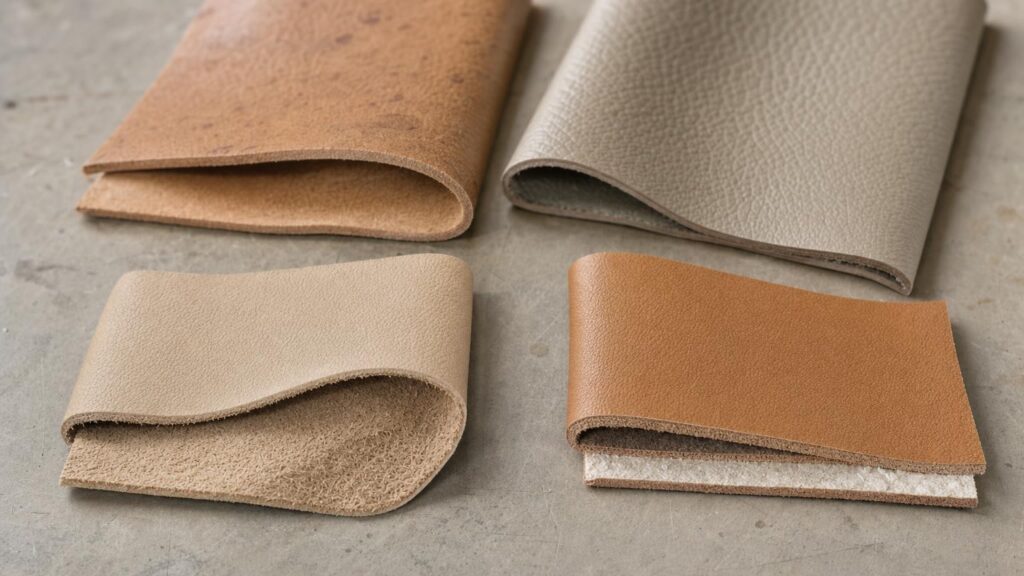
Full-Grain, Top-Grain, Split and Bonded Leather Upholstery Explained
A leather upholstery label can sound definitive, but it rarely tells the whole story. Terms such as full-grain, top-grain, split and bonded leather mainly describe the material beneath…
Read insight →
Lumens, Candela and Beam Distance: How to Read Flashlight Specifications
A large lumen figure is easy to compare, which is why it often dominates flashlight and torch packaging. Yet it cannot tell you how far the light will…
Read insight →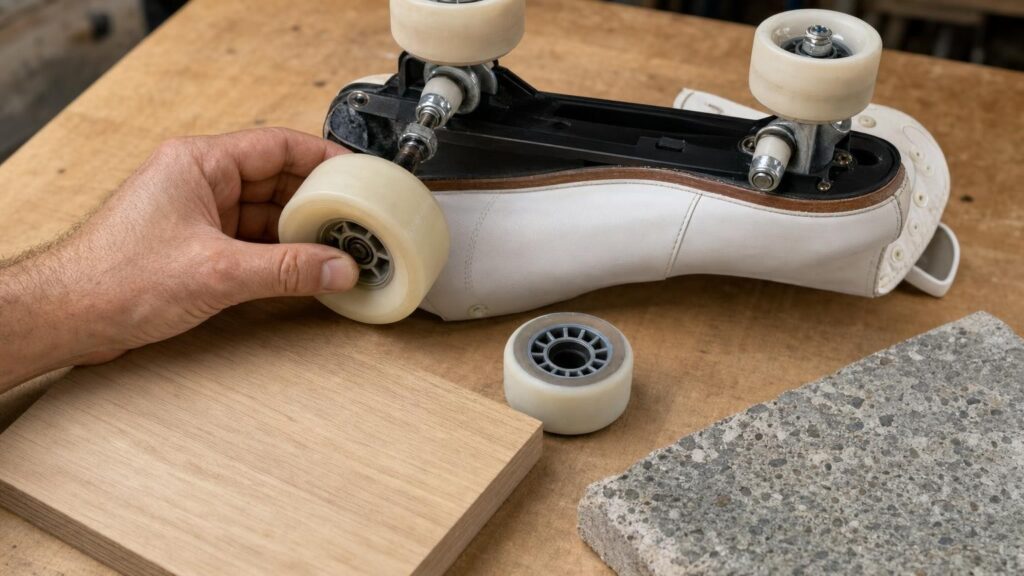
Roller Skate Wheels Explained: Diameter, Hardness, Profile and Hubs
Roller skate wheel specifications can look like a simple collection of numbers, but no single figure determines how a skate will feel. Diameter influences ride height and the…
Read insight →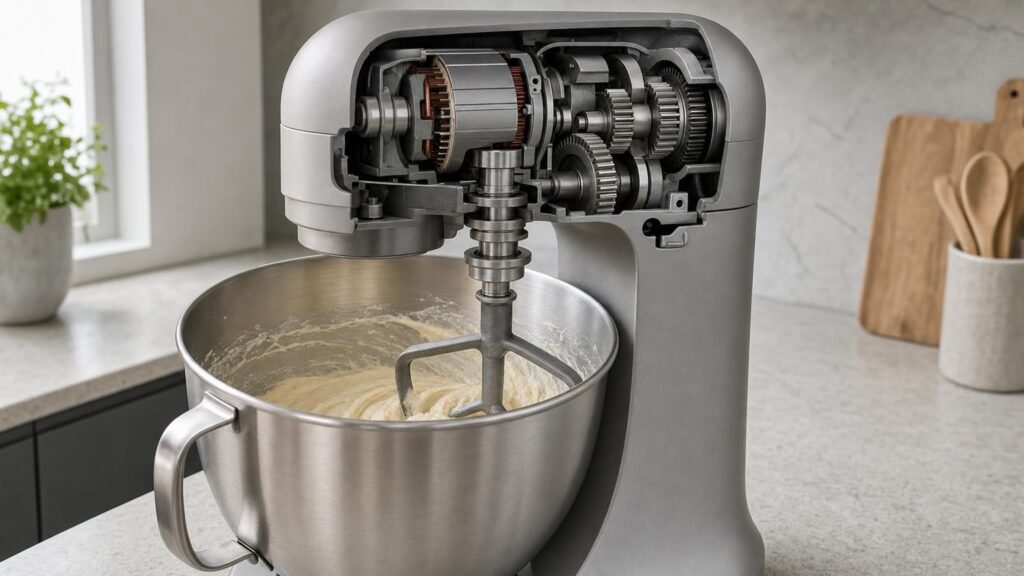
Inside a Stand Mixer: How Gearing, Planetary Action and Bowl Geometry Work Together
What Actually Happens Inside a Stand MixerA stand mixer does more than spin a tool in a bowl. Its motor, gears, shafts, attachment interface, mixing action, bowl and…
Read insight →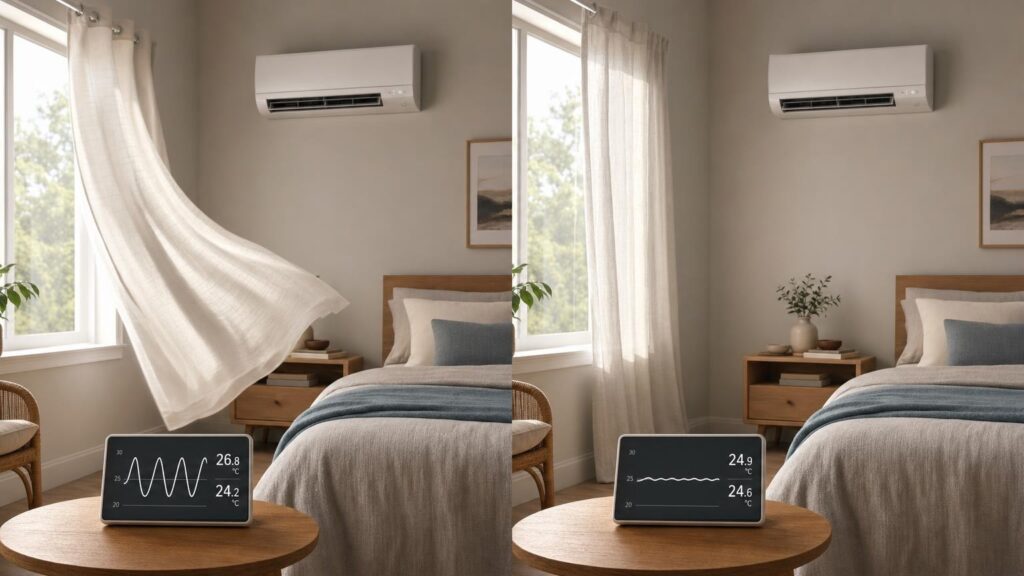
Fixed-Speed vs Inverter Air Conditioners: What Compressor Modulation Really Changes
Two room air conditioners can have the same nominal cooling capacity yet feel noticeably different in use. One may alternate between strong bursts of cooling and quiet pauses,…
Read insight →