





Frowse Insights
Practical buying insight that explains how products work, what specifications really mean and what matters when choosing.
Showing 101–120 of 129 Insights

Why One Glue Cannot Bond Every Household Material
“Strong glue” sounds like a simple buying requirement, but adhesive strength is never a property of the glue alone. A successful bond depends on the adhesive, both materials,…
Read insight →
What Camera Sensor Size Changes – and What It Does Not
Sensor size is one of the most discussed camera specifications, but it is also one of the easiest to treat as a simple quality ranking. A larger sensor…
Read insight →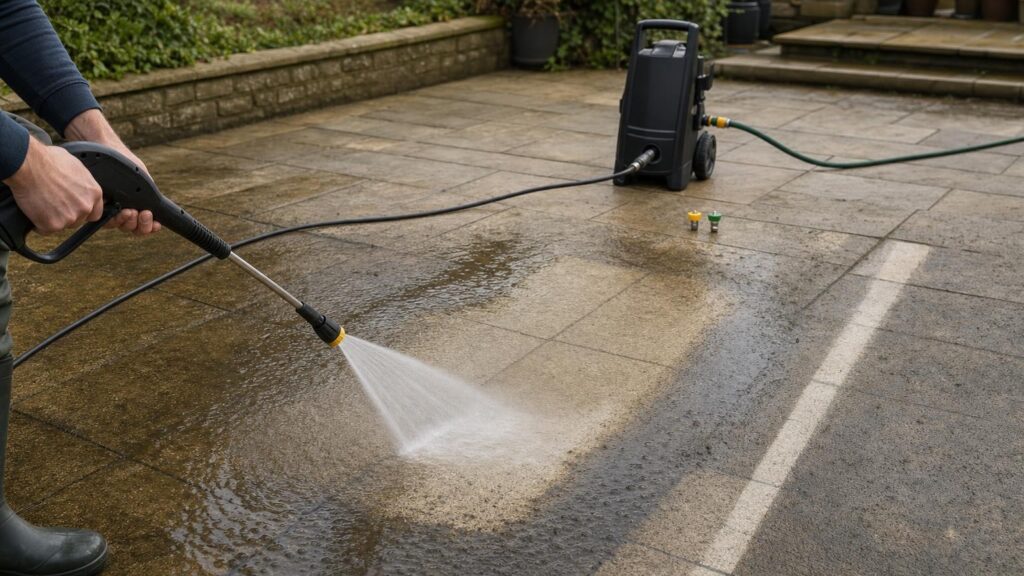
Pressure, Flow and Nozzles: What Really Determines How a Pressure Washer Cleans
A pressure washer’s largest pressure figure is easy to notice, but it does not describe the whole cleaning process. Effective performance comes from an interaction between sustained pressure,…
Read insight →
Why Hair-Dryer Wattage Does Not Tell You How Fast It Will Dry
A high wattage can make a hair dryer sound powerful, but it is not a direct measure of drying speed. Wattage tells you how much electrical power an…
Read insight →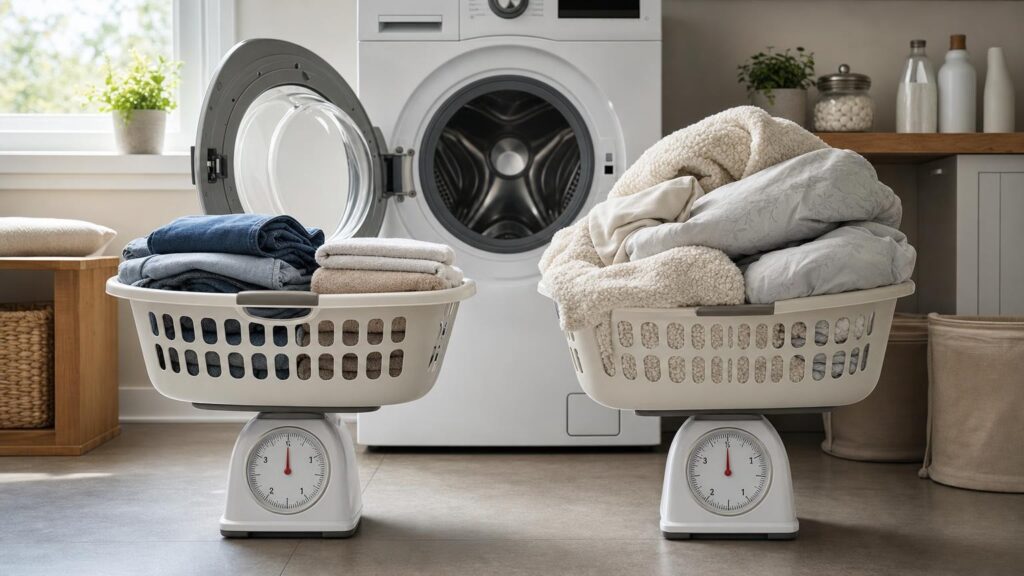
Why a Washing Machine’s Kilogram Capacity Is Not the Size of Every Load
A washing machine described as having an 8 kg, 9 kg or 10 kg capacity might appear to offer a simple promise: weigh up to that amount of…
Read insight →
Where Ink Goes When an Inkjet Printer Is Not Printing Pages
An inkjet printer does not use ink only when it puts words or images on paper. Ink may also be needed to fill the delivery system, keep printhead…
Read insight →
What a Sleeping Mat’s R-Value Reveals – and What It Leaves Out
A sleeping mat does more than soften hard or uneven ground. It also limits heat loss from your body into the surface below. R-value is the most useful…
Read insight →
Why a Dehumidifier’s Extraction Rating Changes With the Room
A dehumidifier labelled with a litres-per-day figure may collect far less water in your home than the headline number suggests. That does not automatically mean the appliance is…
Read insight →
Tempered Glass, PET, TPU and Liquid Adhesive Screen Protectors Explained
A screen protector is more than a scratch-resistant layer cut to the shape of a phone. Its material affects how it feels and bends, but adhesive placement, display…
Read insight →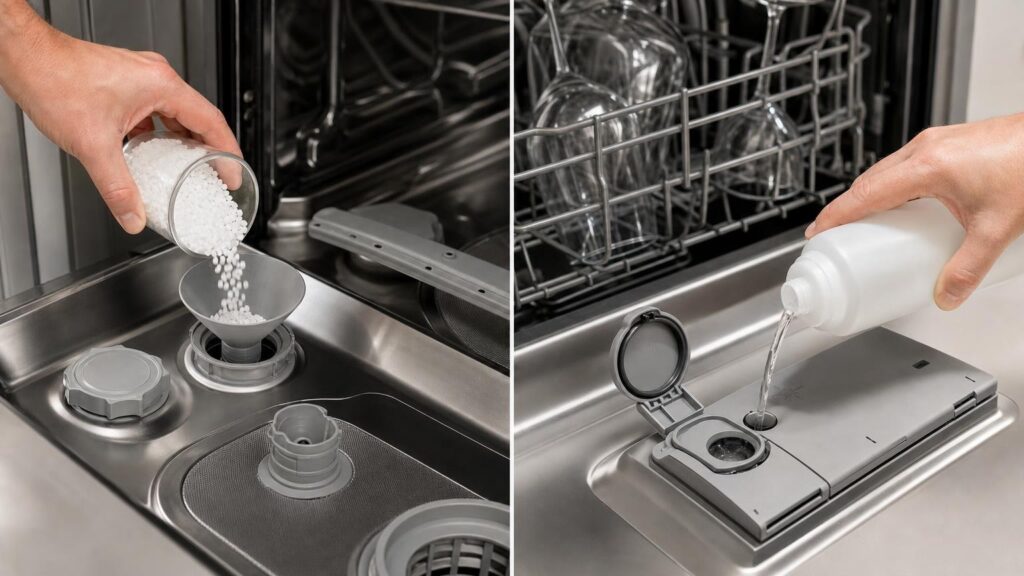
What Dishwasher Salt and Rinse Aid Actually Do
Dishwasher salt and rinse aid are often treated as optional extras or assumed to do roughly the same job. In fact, they act at different stages and solve…
Read insight →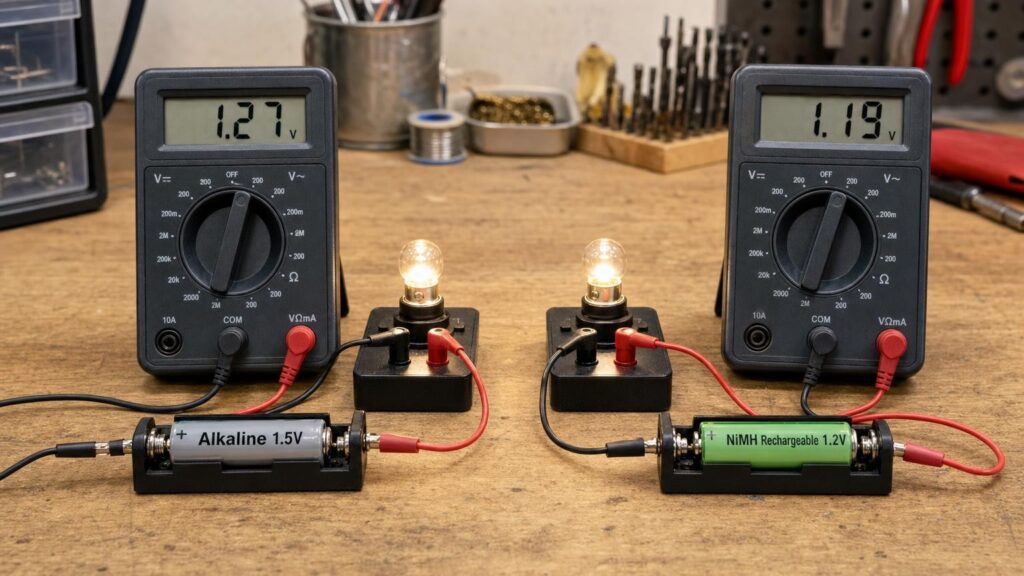
Why Rechargeable AA Batteries Are 1.2 Volts – and When That Matters
A rechargeable nickel-metal hydride (NiMH) AA battery is usually labelled 1.2 volts, while a disposable alkaline AA is labelled 1.5 volts. That difference can make the rechargeable cell…
Read insight →
Why a Blackout Roller Blind Can Still Leave a Room Bright
A blackout roller blind can use fully opaque fabric and still leave a room noticeably bright. That is not necessarily a fault in the material. In many installations,…
Read insight →
What Clutches, Gearboxes and Impact Mechanisms Change in a Cordless Drill
Cordless drill-drivers, hammer drills and impact drivers can all rotate a bit or fastener, but they deliver turning force in different ways. Their internal mechanisms affect control, speed…
Read insight →
Why Noise-Cancelling Headphones Work Better on Some Sounds Than Others
Noise-cancelling headphones can make an aircraft cabin, train carriage or air-conditioned office seem dramatically quieter. Yet the same headphones may leave nearby conversation, clinking dishes or keyboard taps…
Read insight →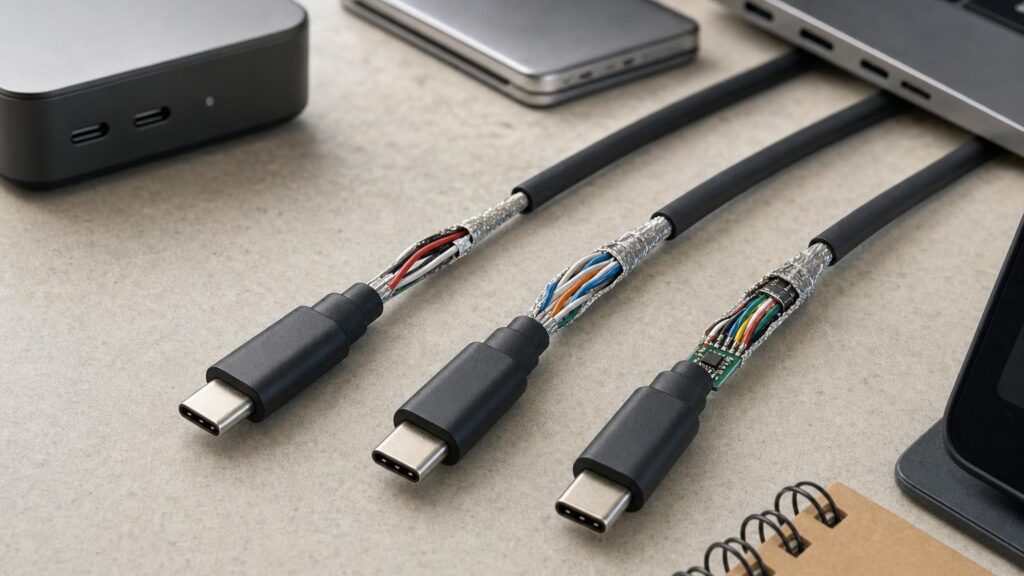
Why Identical-Looking USB-C Cables Can Perform Completely Different Jobs
USB-C makes connecting devices easier because the small, reversible plug fits a wide range of phones, tablets, laptops, chargers, docks and displays. That physical convenience can also create…
Read insight →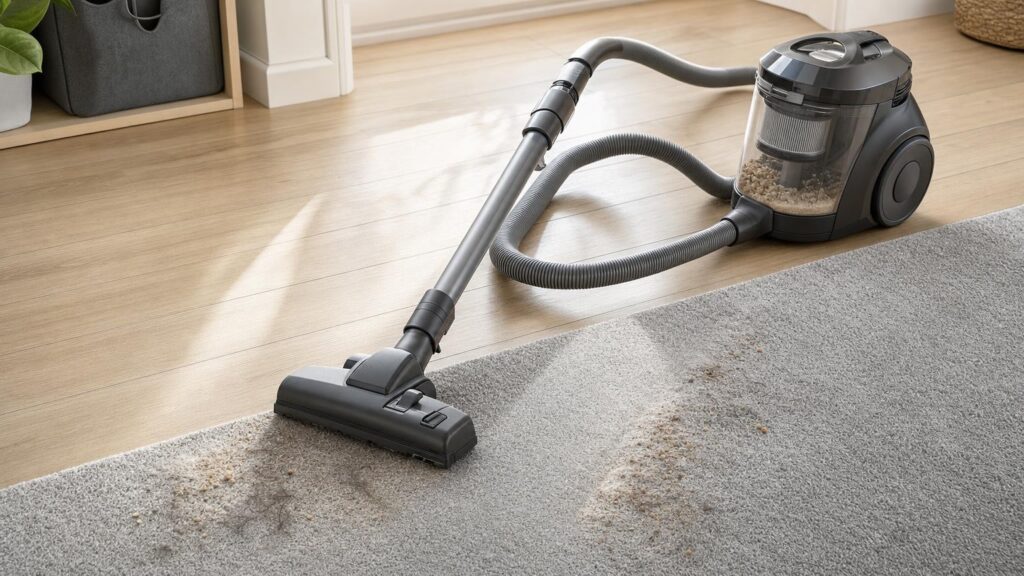
Suction, Airflow and Floorheads: What Really Determines Vacuum Cleaning Performance
Vacuum cleaner specifications often reduce performance to a single prominent number. Depending on the model, that might be motor wattage, suction pressure, airflow or an air-watt-style figure. Each…
Read insight →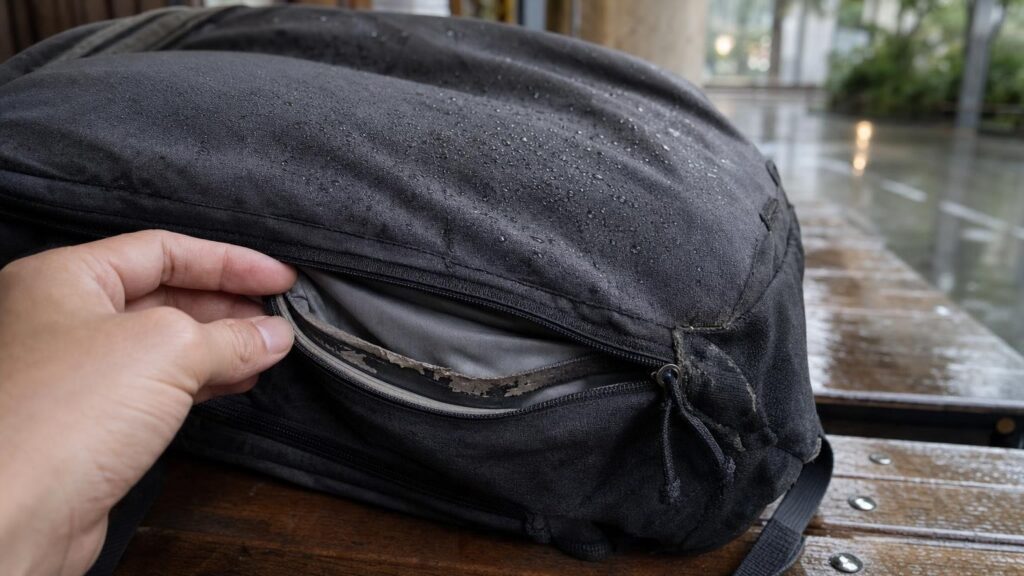
What Makes a Backpack Water-Resistant – and Why the Protection Wears Out
A backpack described as water-resistant may cope well with a short shower yet still let water reach its contents during sustained rain. The difference often lies not only…
Read insight →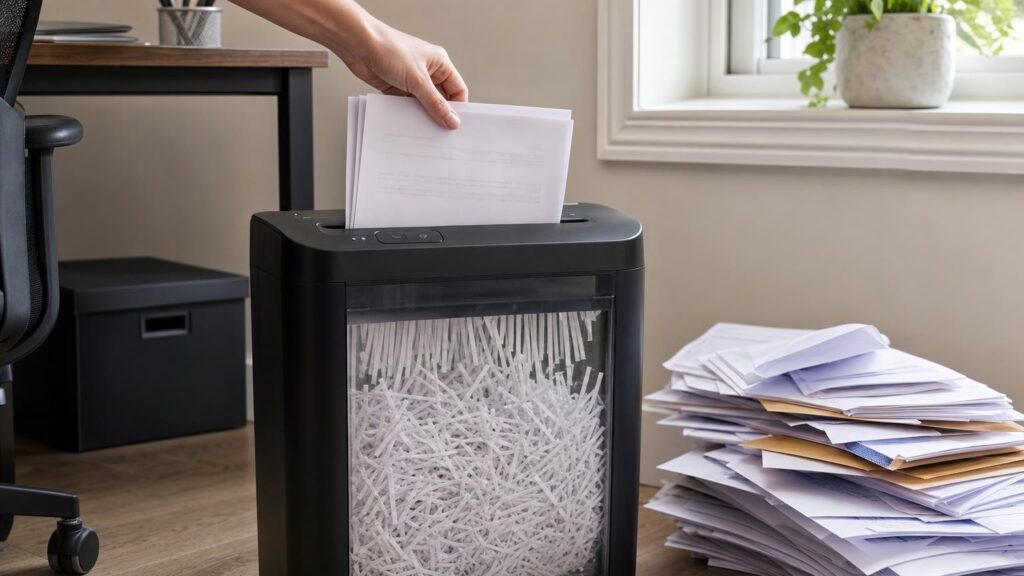
Why a Paper Shredder’s Sheet Rating Tells Only Half the Story
A paper shredder’s sheet rating is easy to compare: a model that accepts more sheets at once can appear more capable. Yet that headline number usually describes a…
Read insight →
How Steam Irons Produce, Control and Lose Steam
A steam iron looks simple from the outside, but its performance depends on a closely linked heat-and-water system. Water must reach a hot chamber at a controlled rate,…
Read insight →
Why Dimmable LED Bulbs Flicker, Buzz or Refuse to Dim Properly
Buying a bulb marked “dimmable” may seem like the only requirement for adjustable lighting. In practice, the bulb, its internal electronic driver and the wall dimmer have to…
Read insight →